What staple foods can I eat during weight loss?
In traditional concepts, staple foods are often considered the culprit for weight gain, but in fact, as long as they are properly chosen, staple foods can be a powerful helper during weight loss. The following will introduce healthy staple foods that can be eaten during weight loss and their combinations.
1. Oats
Oats are a nutritious whole grain that is rich in dietary fiber, protein, and a variety of vitamins and minerals. It has the following advantages:
High satiety: The dietary fiber in oats can absorb water and swell, increase satiety, and reduce appetite.
Stabilize blood sugar: Oats are digested and absorbed slowly, which can slowly increase blood sugar and avoid large fluctuations in blood sugar, which helps control appetite and reduce fat storage.
Nutritious: Oats are rich in β-glucan, which has the effects of lowering cholesterol and enhancing immunity.
Matching suggestions:
Oatmeal porridge: Cook oatmeal with low-fat milk or water into porridge, and add a little nuts and fruits, such as almonds, blueberries, etc., to increase taste and nutrition.
Oatmeal salad: Mix cooked oats with vegetables and protein foods (such as chicken breast, eggs, tofu, etc.) to make a salad, and pair it with low-calorie salad dressing, which is both delicious and healthy.
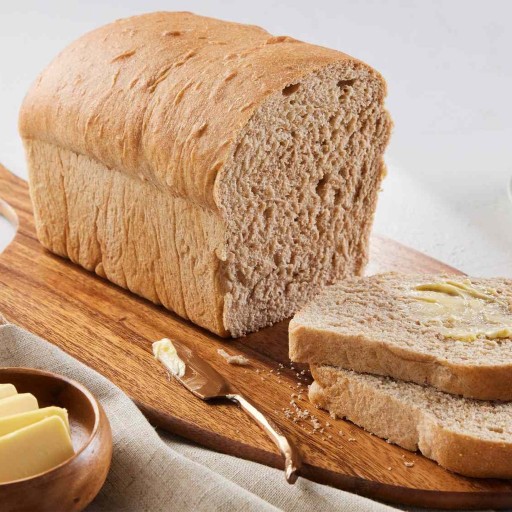
2. Whole wheat bread
Wholemeal bread is made from whole wheat flour, retaining the bran, germ and endosperm of wheat, and has higher nutritional value. Its characteristics are as follows:
Rich in dietary fiber: Compared with ordinary bread, whole wheat bread contains more dietary fiber, which helps promote intestinal peristalsis and prevent constipation.
Low glycemic index: Whole wheat bread has a low glycemic index, which can stabilize blood sugar, reduce insulin secretion, and help control weight.
Nutritious: Whole wheat bread is rich in nutrients such as B vitamins, iron, and zinc, which are good for health.
Pairing suggestions:
Wholemeal sandwich: Use whole wheat bread to sandwich lettuce, tomatoes, cucumbers, ham, eggs and other ingredients to make sandwiches, which are both convenient and nutritious.
Whole wheat bread with soup: You can choose low-calorie soups such as vegetable soup and chicken soup, and eat them with whole wheat bread to increase satiety.
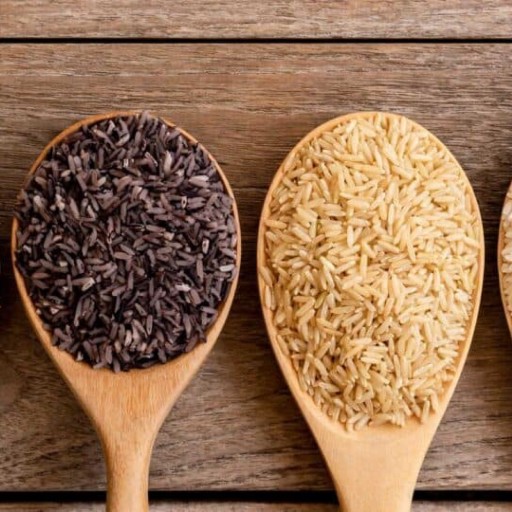
3. Brown rice
Brown rice is the caryopsis after the outer protective cortex of rice husk is removed, retaining the rice bran and germ, and is richer in nutrients than white rice. Its advantages are:
High dietary fiber: Brown rice has a high dietary fiber content, which can promote intestinal peristalsis, reduce constipation, and increase satiety.
Rich in vitamins and minerals: Brown rice is rich in nutrients such as vitamin B, E, magnesium, and iron, which are good for health.
Low glycemic index: Brown rice is digested and absorbed slowly, and has a low glycemic index, which helps control blood sugar and weight.
Pairing suggestions:
Brown rice with vegetables and protein foods: Brown rice can be cooked with various vegetables (such as broccoli, carrots, onions, etc.) and protein foods (such as lean meat, fish, beans, etc.) to make nutritious meals.
Brown rice sushi: Use brown rice instead of white rice to make sushi, and pair it with fresh vegetables and protein foods such as cucumbers, carrots, salmon, etc., which is both delicious and healthy.
4. Buckwheat
Buckwheat is a nutritious grain that is rich in dietary fiber, protein, vitamins and minerals. It has the following characteristics:
High dietary fiber: Buckwheat has a high content of dietary fiber, which helps promote intestinal peristalsis, reduce constipation, and increase satiety.
Low glycemic index: Buckwheat has a low glycemic index, which can stabilize blood sugar, reduce insulin secretion, and help control weight.
Nutritious: Buckwheat is rich in biologically active ingredients such as rutin and flavonoids, and has the effects of lowering cholesterol and anti-oxidation.
Matching suggestions:
Buckwheat noodles: After the buckwheat noodles are cooked, they are paired with various vegetables and protein foods such as spinach, tomatoes, eggs, tofu, etc. to make delicious pasta.
Buckwheat porridge: Cook buckwheat with water or milk into porridge, and add a little nuts and fruits such as walnuts and raisins to increase the taste and nutrition.
5. Corn
Corn is a common grain rich in dietary fiber, vitamins and minerals. Its advantages are as follows:
High satiety: Corn has a high content of dietary fiber, which can increase satiety and reduce appetite.
Low fat: Corn is a low-fat food suitable for consumption during weight loss.
Rich in nutrition: Corn is rich in vitamin C, E, B vitamins, lutein and other nutrients, which are good for health.
Matching suggestions:
Boiled corn: Eat corn directly after cooking, which is convenient and healthy.
Corn salad: Mix corn kernels with vegetables and protein foods (such as chicken breast, eggs, tofu, etc.) to make salads, and pair them with low-calorie salad dressing, which is delicious and healthy.
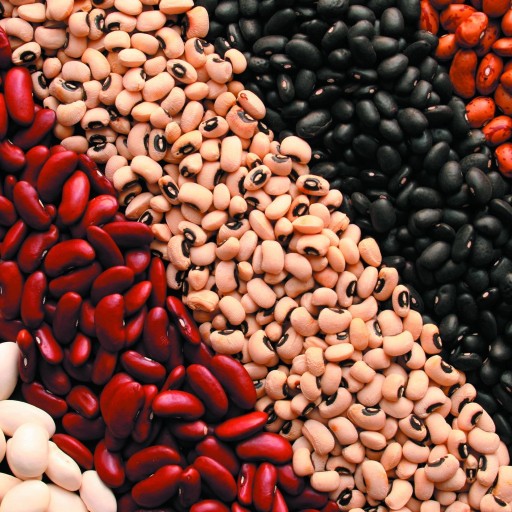
6. beans
Beans include black beans, red beans, mung beans, chickpeas, etc., which are a high-quality source of protein and dietary fiber. Their benefits are:
High protein: Beans are rich in protein, which can provide satiety and help maintain muscle mass.
High dietary fiber: The dietary fiber content in beans is high, which helps promote intestinal peristalsis, reduce constipation, and increase satiety.
Low fat: Beans are a low-fat food and are suitable for consumption during weight loss.
Pairing suggestions:
Bean salad: Mix cooked beans with vegetables and protein foods (such as chicken breast, eggs, tofu, etc.) to make a salad, and pair it with low-calorie salad dressing, which is both delicious and healthy.
Bean soup: You can use beans to make various soups, such as black bean soup, red bean soup, etc., and pair them with vegetables and protein foods to increase satiety.
During weight loss, it is very important to choose healthy staple foods and match them with other foods reasonably. In addition to the above staple foods, you can also choose other whole grains, vegetables, fruits, protein foods, etc. to ensure balanced nutrition.
At the same time, pay attention to controlling food intake and avoid overeating. Through reasonable diet and moderate exercise, I believe that everyone will be able to achieve the goal of weight loss and have a healthy body.
 1
 1
OTHER NEWS
-
- How to Choose Your Snowbird Home: Rent or Buy?
- By Prodosh Kundu 09 Oct,2024

-
- How US Real Estate Policy Changes Impact Market Performance
- By real estate, policy, finance 20 May,2024

-
- How to Find the Right Injury Accident Lawyer for Your Case
- By Prodosh Kundu 27 Aug,2024

-
- Real Estate Policy Changes in the US and its Impact [2010-2024]
- By Muhammad Talha 20 May,2024

-
- How to Choose the Right Savings Account for Your Needs
- By Prodosh Kundu 07 Aug,2024

-
- The Truth About Bitcoin!
- By ZYY 19 Feb,2025

-
- Savings accounts vs. checking accounts: what’s the difference?
- By Prodosh Kundu 14 Aug,2024

-
- Investment Strategies for People Over 50
- By YCY 20 Mar,2025

-
- How to Analyze Market Trends to Make Informed Decisions
- By Muhammad Talha 16 May,2024

-
- Top Accredited Online Colleges You Should Consider
- By Prodosh Kundu 02 Sep,2024

-
- How has the emergence of Artificial Intelligence changed people's lives?
- By zyy 07 Mar,2025

-
- The truth behind Apple's declining sales!
- By YCY 17 Mar,2025