
Avoiding Alzheimer's: How to keep your brain active through diet and exercise?
At a time when the population is aging, the incidence of Alzheimer's disease is on the rise, seriously affecting the quality of life of the elderly and the well-being of their families.
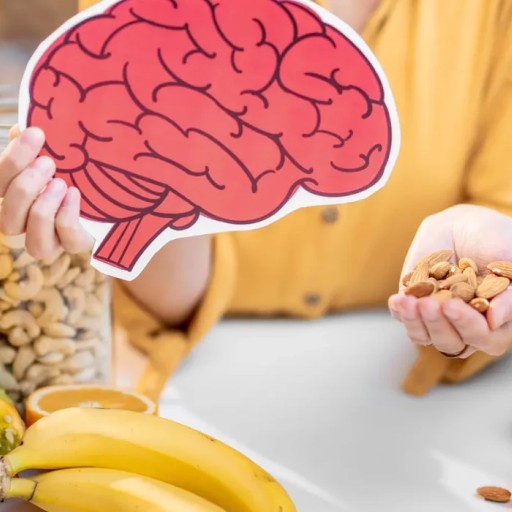
Although the exact cause of Alzheimer's disease is not yet fully understood, a large number of studies have shown that a sensible diet and moderate exercise can effectively reduce the risk of Alzheimer's disease and keep the brain energized.
Antioxidant Foods: Scavenging Free Radicals to Guard Brain Cells
Free radicals are one of the most important factors leading to cell aging and damage. Excessive accumulation in the brain can damage nerve cells and increase the risk of Alzheimer's disease. Foods rich in antioxidants, such as blueberries, strawberries and spinach, can effectively scavenge free radicals and protect brain cells from damage.
Blueberries are known as the “king of antioxidants” and are rich in anthocyanins, an antioxidant that can cross the blood-brain barrier and act directly on brain cells, improving blood circulation to the brain and enhancing memory.
Spinach, on the other hand, is rich in vitamin E, carotenoids and other antioxidants, which play an important role in maintaining the normal function of the brain.
Fatty acids: “quality fuel” for the brain
Omega-3 fatty acids are vital to brain health. They are an important component of the cell membranes that make up the brain, and can promote the growth and repair of nerve cells, improving the brain's cognitive ability.
Deep-sea fish, such as salmon, cod, and tuna, are high-quality sources of Omega-3 fatty acids. Studies have found that people who regularly consume deep-sea fish have a significantly lower risk of Alzheimer's disease than those who do not. In addition, nuts and seeds such as walnuts and flaxseeds are also rich in Omega-3 fatty acids and can be used as a supplement to your daily diet.

B Vitamins: Involved in neurotransmitter synthesis and mood stabilization
B vitamins play an essential role in brain metabolism and neurotransmitter synthesis. Vitamins B6, B9 (folic acid) and B12 help the body synthesize neurotransmitters such as serotonin and dopamine, which are important for regulating mood, improving sleep and cognitive performance.
A deficiency in B vitamins can block the synthesis of neurotransmitters, which can lead to mood problems such as anxiety and depression, and in turn affect the normal functioning of the brain. Whole grains, meat, eggs, and leafy green vegetables are good sources of B vitamins.
Control sugar and salt intake: avoid brain “glycation” and blood vessel damage
Excessive sugar intake causes the body to undergo a “glycation” reaction, in which protein and fat molecules combine with sugar molecules to form advanced glycosylation end-products (AGEs). These AGEs accumulate in the brain and can damage the structure and function of nerve cells, accelerating brain aging and degeneration.
At the same time, a high-salt diet can lead to increased blood pressure, damage cerebral blood vessels, and affect the blood supply to the brain. Therefore, in your daily diet, you should minimize the intake of processed foods, beverages and sweets, control the use of salt, and consume more fresh fruits, vegetables and whole grains.
Aerobic jogging: brain vitality jogging
Aerobic exercises such as jogging, swimming and cycling can make our heart beat faster and blood circulation accelerate, sending more oxygen and nutrition to the brain. At the same time, aerobic exercise also stimulates the brain to secrete endorphins and brain-derived neurotrophic factor (BDNF).
Endorphins make us feel good and relieve stress, while BDNF promotes the growth of nerve cells and enhances memory and learning ability. A total of 150 minutes of moderate-intensity aerobic exercise per week, such as 30 minutes of jogging per day, can energize the brain.
Strength Training: The Healthy Link Between Muscle and Brain
Don't underestimate strength training. It's not just about building muscle, it's also about brain health. Muscle is the body's “second heart”, through strength training to increase muscle mass, can improve the basal metabolic rate, so that blood circulation is smoother, to provide sufficient energy for the brain.
Strength training also regulates the levels of hormones such as testosterone and growth hormone, which help the brain to develop and maintain its functions. Strength training such as simple push-ups and squats for about 30 minutes 2 - 3 times a week can reap health benefits.
Balance Exercises: Brain Protection Against Falls
As we age, seniors lose balance and are at increased risk of falling, and head injuries are a major trigger for dementia. Balance exercises such as tai chi, yoga and one-legged standing can effectively improve body coordination and balance.
Just like tai chi, the movements are slow and gentle, focusing on the coordination of body and mind. Persistent practice not only enhances balance, but also regulates breathing and relaxes the body and mind.
Brain exercise: the wisdom of the mind gymnastics
The brain also needs “fitness”. Reading, playing chess, learning a new language, playing puzzle games are all good ways to “charge” the brain.
When you learn a new language, you constantly memorize vocabulary and grammar, exercising your brain's memory and language-processing ability; when you play chess, you think, analyze, and make judgments to improve your logical thinking. Spend half an hour a day on brain exercises to keep your brain young.
Prevention of Alzheimer's starts with daily diet and exercise. Adopt good dietary habits, choose healthy ingredients and mix them reasonably; find a suitable way to exercise and keep on exercising. By taking care of your brain through diet and exercise, you can build a strong defense for your brain health and embrace a healthy and beautiful life in your later years.
 1
1 1
1OTHER NEWS
-
- The Benefits of Having a Checking Account: What You Need to Know
- By Prodosh Kundu 27 Aug,2024

-
- How to Analyze Market Trends to Make Informed Decisions
- By Muhammad Talha 16 May,2024

-
- How to Find the Right Injury Accident Lawyer for Your Case
- By Prodosh Kundu 27 Aug,2024

-
- How has the emergence of Artificial Intelligence changed people's lives?
- By zyy 07 Mar,2025

-
- Essential Personal Finance Tips for Building Wealth
- By Prodosh Kundu 08 Aug,2024

-
- The Future of Digital Currency: Prospects for Bitcoin and Ethereum
- By Prodosh Kundu 13 Jun,2024

-
- 5 Financial Calculators You Must Know
- By Prodosh Kundu 27 Aug,2024

-
- Five Best AI Stocks to Buy
- By Prodosh Kundu 27 Aug,2024

-
- How to Choose Your Snowbird Home: Rent or Buy?
- By Prodosh Kundu 09 Oct,2024

-
- How US Real Estate Policy Changes Impact Market Performance
- By real estate, policy, finance 20 May,2024

-
- Beginners Guide to Buying Property
- By Thalia Oosthuizen 16 May,2024

-
- Real Estate Policy Changes in the US and its Impact [2000-2010]
- By Muhammad Talha 20 May,2024
![Real Estate Policy Changes in the US and its Impact [2000-2010]](/uploads/article/20240520/1ed71feeba4c38f12c60d3630246a7c0.jpg)