Is the smell of mowing the grass a distress signal from plants?
The fresh smell emitted when mowing the grass is not simply the body odor of the plant, but a "chemical distress signal" released by the plant after being injured. The main components of this smell are called green leaf volatiles (GLV), which are composed of six-carbon aldehydes, alcohols and their derivatives (such as esters).
When plant leaves are cut, gnawed or mechanically damaged, cell rupture triggers the rapid synthesis and release of GLV, forming a unique grassy smell. This type of compound is not only the "language" of plant self-defense, but also an important medium for cross-species information transmission.
How plants use smell to "call for help"
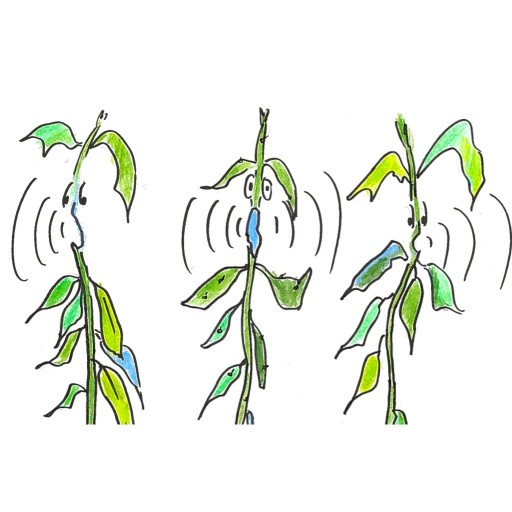
The core function of GLV is to transmit crisis signals. Studies have found that when a plant is damaged, the released GLV can spread to a radius of 1,600 meters, warning neighboring plants to start defense mechanisms in advance.
For example, after receiving the GLV signal, corn will suspend growth and prioritize the synthesis of insect-resistant compounds; some herbaceous plants will quickly transfer nutrients to the roots to reduce losses. This "group warning system" helps plants improve their survival rate when attacked by herbivores or pathogens, and can be called a "chemical beacon" in nature.
"Plant bodyguards" attracted by odor
The distress signals of plants can not only alert their peers, but also attract natural enemies to form "indirect defense". For example, when corn is eaten by caterpillars, it releases odors containing terpenoid compounds, attracting parasitic wasps to lay eggs and eventually eliminate pests.
Similarly, when tobacco and tomatoes are attacked by insects, GLVs will attract predatory insects or parasitic wasps, forming an ecological chain of "using insects to control insects". This strategy is not only energy-efficient, but also shows the complex collaborative network formed by plants in evolution.
Human olfactory preference
Interestingly, human perception of the smell of grass may be related to early survival strategies. Aldehydes in GLV (such as the main odor component of coriander) are speculated to be clues for primitive people to find fresh food, and this preference has been passed down to this day through genes.
Studies have also found that some herbivores are also attracted to GLVs, but plants screen "enemies" and "allies" by mixing other repellent compounds (such as bitter substances).
Plants' "self-healing superpower"
Although plants do not have a nervous system, they can achieve efficient repair through biochemical mechanisms. Glutamate released from the damaged site triggers calcium signaling, activates jasmonic acid and abscisic acid pathways, and induces lignin deposition to strengthen the cell wall.
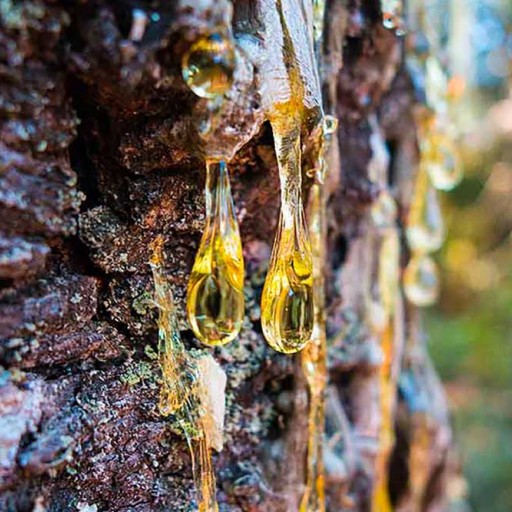
Pine trees secrete resin to seal wounds and prevent infection, which is a typical example. Even more amazing is that some plants can completely replace damaged tissues through regeneration mechanisms (such as rooting by cuttings), and this ability has been widely used in horticultural practices.
From plant wisdom to ecological management
Scientists are exploring the use of GLV mechanisms to develop new agricultural technologies. For example, by spraying artificially synthesized GLVs to simulate pest signals, crops can be induced to activate resistance genes in advance and reduce the use of pesticides.
In addition, adding fertilizers containing "Bacillus subtilis" to the soil can enhance the response efficiency of plant roots to disease signals and form a natural antibacterial barrier. These findings provide new ideas for sustainable agriculture.
The smell of mowed grass is a survival strategy forged by plants over millions of years of evolution, and it is also a silent dialogue in the ecosystem. From the precise transmission of chemical signals to cross-species defense alliances, the "wisdom" of plants far exceeds human inherent cognition.
Understanding this mechanism can not only deepen our respect for the laws of nature, but also provide inspiration for solving challenges such as food security and ecological protection. The next time you mow the lawn, perhaps we should pay more respect to the grass under our feet - their stories are far more exciting than we think.
 1
1 1
1OTHER NEWS
-
- Beginners Guide to Buying Property
- By Thalia Oosthuizen 16 May,2024

-
- How to Analyze Market Trends to Make Informed Decisions
- By Muhammad Talha 16 May,2024

-
- How US Real Estate Policy Changes Impact Market Performance
- By real estate, policy, finance 20 May,2024

-
- How to Respond to a Denied Homeowner's Insurance Claim?
- By ZYY 17 Feb,2025

-
- Real Estate Policy Changes in the US and its Impact [2010-2024]
- By Muhammad Talha 20 May,2024
![Real Estate Policy Changes in the US and its Impact [2010-2024]](/uploads/article/20240520/926f7f2f7ec5256a49a036302dfacfbf.jpg)
-
- The Truth About Bitcoin!
- By ZYY 19 Feb,2025

-
- The Benefits of Having a Checking Account: What You Need to Know
- By Prodosh Kundu 27 Aug,2024

-
- Global Economic Outlook: Opportunities and Challenges in 2024
- By Prodosh Kundu 27 May,2024

-
- Four Tips to Save on Real Estate Commissions
- By Prodosh Kundu 27 Aug,2024

-
- How to Choose Your Snowbird Home: Rent or Buy?
- By Prodosh Kundu 09 Oct,2024

-
- Real Estate Policy Changes in the US and its Impact [2000-2010]
- By Muhammad Talha 20 May,2024
![Real Estate Policy Changes in the US and its Impact [2000-2010]](/uploads/article/20240520/1ed71feeba4c38f12c60d3630246a7c0.jpg)
-
- A Practical Guide to Getting a High-Limit Credit Card!
- By ZYY 21 Feb,2025