Mild burns vs. severe burns: How to quickly deal with burns to reduce pain and scars?
Burns are one of the most common accidents in life. Whether it is hot oil splashing in the kitchen or a cup of freshly brewed hot tea spilling on your hands, you may feel a burning pain instantly.
More serious burns, if not handled properly, may cause damage to skin tissue and even leave lifelong scars. Therefore, mastering the correct burn treatment method can not only effectively relieve pain, but also reduce the risk of later infection and scars.
So, what is the difference between mild burns and severe burns? How to respond quickly and minimize damage? This article will analyze it in detail for you.
How to judge mild burns and severe burns?
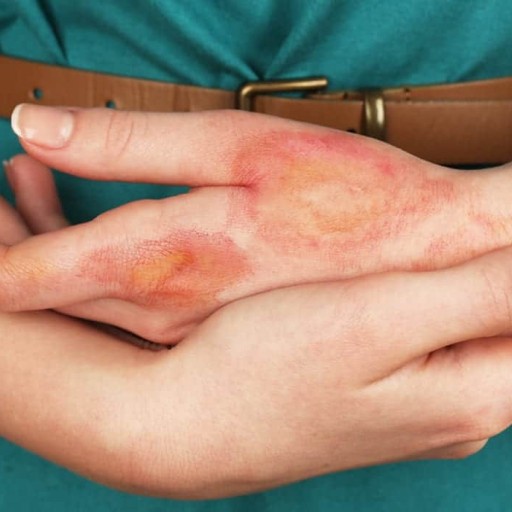
Burns can be divided into first, second and third degrees according to the degree. We usually classify first-degree burns and shallow second-degree burns as mild burns, while deep second-degree and third-degree burns are severe burns.
1. Mild burns (superficial injuries)
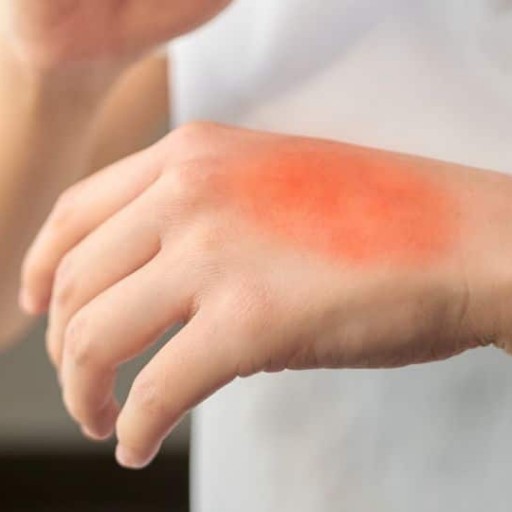
Reddening of the skin, slight swelling
Feeling hot and painful when touched
Small blisters may appear, but generally not too serious
Healing is fast, usually recovering in about a week, leaving no scars
Common scenarios: hot water scalding hands, hot pot edges rubbing against skin, mild steam burns, etc.
2. Severe burns (deep tissue damage)
Skin turns white, brown or charred
There may be large blisters or tissue necrosis
No obvious pain when touched (nerves have been damaged)
The wound is deep, takes a long time to heal, and may leave scars
Common scenarios: high-temperature oil burns, large-area boiling water splashing, severe burns from electric heating equipment, etc.
Important reminder:
If the burn area exceeds the size of the palm, or occurs in important parts such as the face, joints, fingers, toes, etc., you should seek medical attention immediately and do not handle it yourself.
Treatment of mild burns VS severe burns
Mild burns: Cool down quickly and reduce damage
"Rinse" - rinse with cold water, cool down immediately, and lower the skin temperature (golden 10 minutes)
Immediately rinse the burned area with running cold water for 10-20 minutes, which can effectively reduce the temperature to dissipate heat, relieve pain, and prevent the injury from getting worse. Avoid using ice water or ice cubes to avoid irritating the skin and causing more serious damage.
"Take off" - gently remove the covering
If the burned area is covered with clothing, do not tear it forcibly to avoid damaging the skin. If the clothing is not stuck, you can carefully cut the clothes after rinsing with cold water to reduce irritation.
"Soak" - continue soaking to relieve pain
If the pain is still obvious, you can soak in cold water for 10-15 minutes to further relieve the burning sensation. But avoid too long a time to avoid excessive soaking of the skin and causing greater damage.
"Cover" - keep clean and avoid infection
Gently cover the burned area with sterile gauze or clean cotton cloth to prevent external contamination. At the same time, avoid touching the wound with your hands to avoid infection.
"Apply" - choose the right medicine
You can use: burn ointment (such as Jingwanhong, aloe vera gel), antibacterial ointment (such as mupirocin ointment), etc., which can help repair the skin and prevent infection.
Do not use: "local methods" such as toothpaste, soy sauce, vinegar, etc., which may irritate the skin and aggravate inflammation.
"Don't do" - avoid destroying blisters
If small blisters appear on the scalded area, do not puncture them, let them heal naturally, otherwise it is easy to get infected. If the blisters are large or ruptured, cover them with sterile gauze and seek medical attention in time.
Dietary conditioning to promote healing
Eating more foods rich in vitamin C and protein, such as eggs, fish, fresh fruits, etc., can help skin repair.
Severe burns: Seek medical attention quickly to prevent infection
If the burn area is large, the skin is discolored, there is no pain, or the blisters are severely ruptured, the following measures need to be taken immediately:
Get away from the heat source quickly to avoid secondary injury
If you are burned by flames, do not run, and quickly cover the wound with a wet towel. If clothes are on fire, cover them with a wet towel to extinguish the fire, or roll on the ground to extinguish the fire. Do not pat them directly with your hands.
Gently cool the wound
You can use a wet towel to cool it, but do not rinse it directly with cold water, especially for large burns, so as not to cause a sudden drop in body temperature and cause shock.
Protect the wound to avoid infection
Do not tear off sticky clothing, and try to cover the wound with clean gauze or towels to keep it clean.
Do not apply any ointment, because severe burns may require medical intervention, and incorrect treatment may affect the doctor's assessment of the injury.
Seek medical attention immediately to avoid delaying treatment
If the burn area is large or involves joints, face, hands and feet, you must go to the hospital for professional treatment as soon as possible. On the way, you can cover the wound with clean wet gauze to prevent infection.
How to reduce pain and scars?
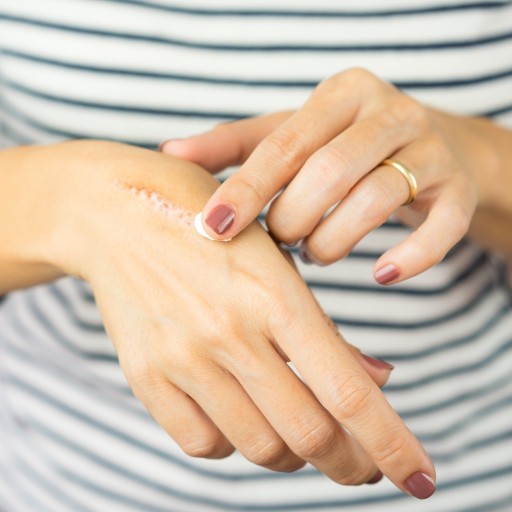
After a burn, the recovery period of the skin is crucial, and proper care can greatly reduce the formation of scars.
Keep moist and promote healing
During the healing period of mild burns, you can use vitamin E, aloe vera gel, Centella asiatica repair cream, etc. to keep the skin moisturized and reduce scar formation.
Avoid long-term exposure to dry environments to prevent the scab from falling off prematurely and causing pigmentation. After the wound scabs, do not pick them off to avoid affecting the growth of new skin.
Avoid direct sunlight
After the burn site recovers, avoid direct sunlight for 3-6 months, because ultraviolet rays will aggravate pigmentation and cause spots or dark scars.
Gently massage to reduce scar hyperplasia
After the wound heals, you can use essential oils that lighten scars (such as rosehip oil) or silicone scar stickers for gentle massage to promote skin repair.
Seek medical treatment in time and use medical means
If the scar is obvious, you can consult a doctor and use medical methods such as laser treatment, fruit acid peel or silicone patch to lighten the scar.
Tips for preventing burns
In the kitchen: When we cook, the handle of the pot faces inward to prevent children from knocking it over. When pouring hot water, pay attention to pouring it slowly to prevent splashing
In the bathroom: When taking a bath, put cold water first and then hot water to avoid excessive temperature. Check the temperature of the water heater to avoid excessive water temperature
Using electrical appliances: When using electrical appliances such as ovens and hair dryers, be careful of burns, and avoid letting children touch high-temperature electrical appliances in life
Summary: Correct treatment makes burns no longer terrible!
The treatment methods for mild burns and severe burns are very different. Taking correct measures at the first time can effectively reduce pain and scars.
If it is a mild burn, you can speed up healing by rinsing with cold water, applying ointment, and keeping clean; but if it is a severe burn, you must seek medical attention quickly to avoid infection or sequelae caused by self-treatment.
Mastering the correct first aid method can not only protect yourself at critical moments, but also help reduce the harm to those around you. I hope this article can provide you with practical knowledge, so that you can respond calmly when an accident occurs and reduce the harm!
 1
1 1
1OTHER NEWS
-
- Beginners Guide to Buying Property
- By Thalia Oosthuizen 16 May,2024

-
- How to Analyze Market Trends to Make Informed Decisions
- By Muhammad Talha 16 May,2024

-
- How US Real Estate Policy Changes Impact Market Performance
- By real estate, policy, finance 20 May,2024
-
- How to Respond to a Denied Homeowner's Insurance Claim?
- By ZYY 17 Feb,2025

-
- Real Estate Policy Changes in the US and its Impact [2010-2024]
- By Muhammad Talha 20 May,2024
![Real Estate Policy Changes in the US and its Impact [2010-2024]](/uploads/article/20240520/926f7f2f7ec5256a49a036302dfacfbf.jpg)
-
- The Truth About Bitcoin!
- By ZYY 19 Feb,2025

-
- The Benefits of Having a Checking Account: What You Need to Know
- By Prodosh Kundu 27 Aug,2024

-
- Global Economic Outlook: Opportunities and Challenges in 2024
- By Prodosh Kundu 27 May,2024

-
- Four Tips to Save on Real Estate Commissions
- By Prodosh Kundu 27 Aug,2024
-
- How to Choose Your Snowbird Home: Rent or Buy?
- By Prodosh Kundu 09 Oct,2024

-
- Real Estate Policy Changes in the US and its Impact [2000-2010]
- By Muhammad Talha 20 May,2024
![Real Estate Policy Changes in the US and its Impact [2000-2010]](/uploads/article/20240520/1ed71feeba4c38f12c60d3630246a7c0.jpg)
-
- A Practical Guide to Getting a High-Limit Credit Card!
- By ZYY 21 Feb,2025