The intestines determine the body's immunity. Only by protecting the intestines can you stay healthy!
Since we were born, the intestines have silently shouldered the mission of becoming the gas station, immune organ and sewage plant of the human body. Despite its importance, people often ignore its health. According to statistics, about 90% of people have suffered from intestinal problems.
In our intestines, there are a large number of microbial communities, which are mainly bacteria, but also fungi, mycoplasmas and viruses. This huge microbial community plays a vital role in human health.
However, the balance of intestinal flora may be affected by many factors such as lifestyle, eating habits, drug use and environmental factors. Once imbalanced, it may cause damage to the intestinal barrier function, increase intestinal permeability, allow more pathogens and harmful substances to enter the blood circulation, and trigger a systemic inflammatory response.
The intestine determines the human body's immunity
1. The intestine is an important digestive organ, and the human immune and detoxification systems need it to provide nutrition.
2. The intestine is about 5-7 meters long and is the largest sewage plant in the human body.
3. 70% of immunity comes from the intestine, and the intestine is called the second brain of the human body.
4. 80% of toxins are excreted by it.
5. 99% of nutrients are digested and absorbed by the intestine.
6. There are about 4 to 500 different kinds of bacteria in the intestine, collectively known as "intestinal flora". Imbalance of intestinal flora can easily induce various diseases.
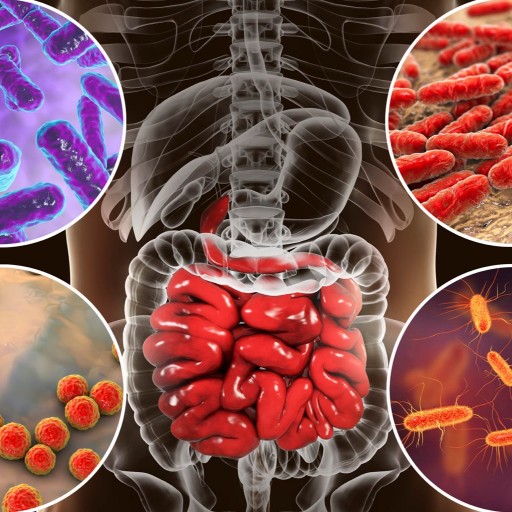
Imbalance of intestinal flora affects intestinal health
There are a large number of bacteria in the intestine, a small amount of viruses, mycoplasma and fungi, etc., which together form intestinal flora. Together with intestinal mucosal cells and their secreted substances, they construct the intestinal micro-ecosystem to maintain the structure and function of our intestine.
Intestinal flora is divided into three types: probiotics (beneficial bacteria), neutral bacteria and harmful bacteria.
Beneficial bacteria: lactic acid bacteria, Lactobacillus bulgaricus, Lactobacillus gasseri, Bifidobacterium, etc.
Neutral bacteria: Escherichia coli, etc.
Harmful bacteria: Staphylococcus aureus, etc. (some inflammation and sepsis in the body are related to it).
If the intestinal environment is disordered, pathogenic bacteria will multiply in large numbers, which can easily cause inflammation and damage the intestinal mucosa. Pathogenic bacteria enter the blood system through the holes in the mucosa and reduce the body's immune response.
Signals of imbalanced intestinal flora
1. Low immunity and frequent colds.
2. Bad breath, rough and dark skin color.
3. Constipation and recurring acne.
3. Obesity, diabetes, enteritis.
4. Prone to diarrhea, bloating, and intolerance to cold.
5. Poor complexion, dark yellow with spots.
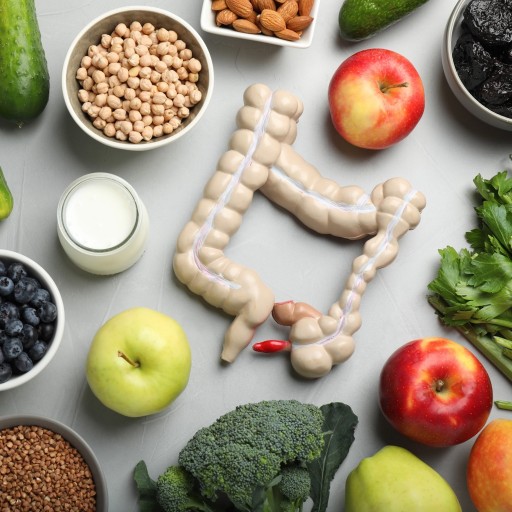
Do this to prevent the intestine from being weak
1. Ensure adequate sleep
Lack of sleep causes the digestive system to be unable to rest fully, causing the biological clock of intestinal bacteria to be disrupted, and imbalance of intestinal flora can easily induce various diseases.
2. Feed the intestines with colorful foods
Green foods: spinach, celery, chrysanthemum, spinach, mustard greens, aloe vera, rapeseed, bean sprouts, water spinach, black fungus, cabbage
Yellow foods: corn, millet, pumpkin, oats, shepherd's purse, peanuts, pine nuts, hericium erinaceus, fermented milk (probiotics)
Red foods: tomatoes, apples, sweet potatoes, papayas, grapes, pomegranates, red rice, grapefruits, carrots, dragon fruit
Black foods: black fungus, prunes, kelp, shiitake mushrooms, rye, black beans, black rice, blackcurrants
Three dietary suggestions
1. Ensure regular diet, eat breakfast before 9 am, and do not eat after 8 pm.
2. Drink eight glasses of water a day, ensure 1500ml of drinking water every day, and drink a glass of warm water when you get up in the morning.
3. Adjust the dietary structure, eat less greasy and spicy food, and supplement probiotics scientifically.
Intestinal health is not only the cornerstone of a well-functioning digestive system, but also the core of overall health and immunity. Faced with various factors in daily life that may lead to imbalance of intestinal flora, we should take active measures to improve our living habits and build a solid line of defense for our intestines.
Caring for the intestines is caring for our overall health. When we carefully care for this "secret garden in the human body", we can not only effectively prevent intestinal-related diseases, but also improve the quality of life and make the body more energetic and radiant.
 1
 1
OTHER NEWS
-
- Real Estate Policy Changes in the US and its Impact [2000-2010]
- By Muhammad Talha 20 May,2024

-
- How Appraisals Impact Your Home Purchase
- By Muhammad Talha 16 May,2024

-
- How to prevent credit card fraud?
- By ZYY 25 Feb,2025

-
- Savings accounts vs. checking accounts: what’s the difference?
- By Prodosh Kundu 14 Aug,2024

-
- 5 Financial Calculators You Must Know
- By Prodosh Kundu 27 Aug,2024

-
- How US Real Estate Policy Changes Impact Market Performance
- By real estate, policy, finance 20 May,2024

-
- The truth behind Apple's declining sales!
- By YCY 17 Mar,2025
-
- Essential Personal Finance Tips for Building Wealth
- By Prodosh Kundu 08 Aug,2024

-
- Investment Strategies for People Over 50
- By YCY 20 Mar,2025

-
- Real Estate Policy Changes in the US and its Impact [2010-2024]
- By Muhammad Talha 20 May,2024

-
- Top 10 Savings Accounts with the Highest Interest Rates in 2024
- By Prodosh Kundu 14 Aug,2024

-
- How has the emergence of Artificial Intelligence changed people's lives?
- By zyy 07 Mar,2025