A single cavity can ruin your entire oral health!
You may think that a cavity is just a small hole in your tooth, so it's no big deal, and it will hurt for a while at most. However, do you really know how terrible a cavity is? If left untreated, a cavity will not only make your teeth hurt more and more, but it can also lead to more serious oral problems and even affect the health of your entire body!
So today, let's talk about the dangers of tooth decay and how to prevent it from becoming a “nightmare” in your life.
What is a cavity?
Tooth decay, simply put, is a tooth that has been eaten by bacteria. There are a lot of bacteria in our mouths, and their favorite food is sugar. When you eat sugar, sweets, or sugary drinks, these bacteria begin to break down that sugar and produce acid, and the acid begins to erode the outer layer of your teeth - the enamel.
Over time, the decay will get worse and small holes will begin to appear in your teeth until your tooth breaks down.
Cavities may not hurt in the beginning, but they will slowly “eat away” at your tooth so that you will eventually have to go to the dentist.

Dangers of tooth decay
1. Toothache
The most immediate danger is toothache. If a cavity is left untreated, the tooth will become more and more painful, especially when it comes to hot, cold, sweet and sour food, so painful that you can not help but want to cry.
If the tooth decay is very serious, you will even feel the pain when you don't eat normally, and when you sleep at night, it hurts so much that you can hardly sleep.
2. Bleeding gums and periodontal disease
Not only do cavities make your teeth hurt, they can also cause your gums to bleed. This is because the bacteria from cavities can spread to your gums, causing them to become swollen and inflamed, which can turn into periodontal disease in severe cases.
Not only does periodontal disease make your gums bleed, it can also make your teeth loose or even fall out! And, periodontal disease is also bad for your health; it can lead to heart disease, diabetes, and other problems.
3. Affects physical health
Oral health isn't just about your teeth; bacteria from tooth decay can also enter your bloodstream and affect other parts of your body. For example, bacteria from tooth decay can enter the blood vessels through the roots and gums, which may affect organs such as the heart and kidneys, or even cause more serious diseases.
What you may not realize is that oral problems can be the root cause of other health problems.
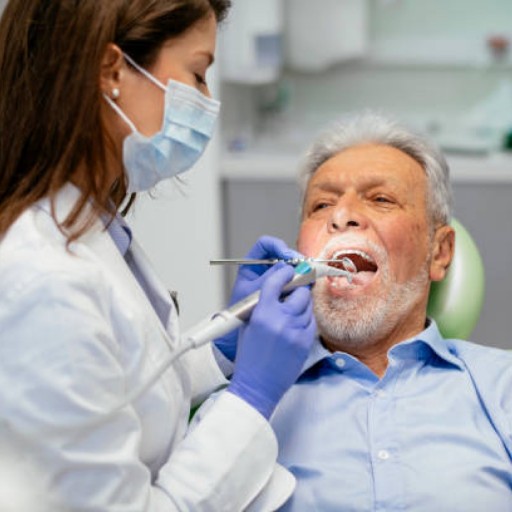
4. Tooth loss
Tooth decay that remains untreated may eventually lead to necrosis or even tooth loss. When your teeth fall out, not only does it affect your appearance, but it's also inconvenient to eat and chewing can become difficult. Worse still, lost teeth don't grow back easily and may require dentures or dental implants, a process that is not only troublesome but also costly.
5. Treatment is more troublesome
It may start out as a small cavity with a simple filling. However, if it is delayed for too long, the cavity will become more and more serious and may require root canal treatment or even tooth extraction. At this point, the treatment is not only expensive, but the process is also painful.
Early treatment of tooth decay is simple and inexpensive; delaying it to a later stage may require many treatments, wasting both time and money.
How to prevent tooth decay?
Cavities are not “meant to be”, they can be prevented. It can be prevented. If you do the following things well, tooth decay will be far away from you!
1. Brush, Brush, Brush Again
Brushing is the most basic and important oral hygiene habit. Brush your teeth every morning and evening, preferably for 2 minutes each time, to thoroughly clean the surface of your teeth and remove bacteria and food debris. Remember, don't use too much force when brushing, brush gently to avoid hurting your gums.
2. Use dental floss to clean between teeth
Brushing only cleans the surface of the teeth, and the crevices between the teeth are often overlooked. Flossing can effectively clean the food debris and bacteria in the crevices, and flossing once a day can reduce the incidence of tooth decay.
3. Eat less sugar and drink less sweet drinks
Sugar is bacteria's favorite food, so eating less sugar, especially snacks and sweet drinks, can greatly reduce the risk of tooth decay. Try to avoid eating sweets after a meal, especially sugary drinks, as the sugar in the drinks stays on the teeth longer and provides “food” for the bacteria.
If you eat something sweet, rinse your mouth or brush your teeth immediately to minimize the amount of time the sugar stays on your teeth.

4. Regular dental checkups
Even if you brush your teeth every day, there is no guarantee that they will always be healthy. Regular visits to the dentist and oral checkups can detect the early signs of tooth decay and treat them in time to prevent the problem from becoming more serious. Generally speaking, going to the dentist for a checkup every six months is enough.
5. Use fluoride toothpaste
Fluoride can help strengthen tooth enamel, making teeth stronger and less susceptible to bacterial erosion. Choosing fluoride toothpaste to brush your teeth can effectively prevent tooth decay.
Treatment for tooth decay
If you are unfortunate enough to have already gotten a cavity, rush to the dentist! The sooner a cavity is treated, the easier it is to repair. Common treatments include:
1. Filling treatment
For early stage cavities, your dentist will clean out the broken part and then fill the hole with a filling material (e.g. resin, silver amalgam, etc.) to repair the tooth. This treatment process is usually simple and less painful.
2. Root canal treatment
If the decay has progressed to the pulp layer of the tooth and a filling alone won't work, your dentist may recommend a root canal. Root canal therapy works by removing the infected pulp and then sealing the tooth to prevent further bacterial invasion. This treatment process is a bit more complicated than a simple filling, but it can save the tooth.
3. Tooth extraction
If a cavity is beyond repair, your dentist may recommend extracting the tooth. The extracted tooth can be restored with dentures or dental implants.
Tooth decay may seem like a minor problem, but it is far more harmful than we think. If left untreated, tooth decay will not only cause tooth pain, but it can also cause a series of oral health problems and even affect other parts of the body.
So, protect your teeth by brushing regularly, flossing, eating less sugar, keeping your mouth clean, and having regular checkups to stay away from cavities and have healthy teeth and a bright smile!
 1
 1
OTHER NEWS
-
- The truth behind Apple's declining sales!
- By YCY 17 Mar,2025

-
- 5 Financial Calculators You Must Know
- By Prodosh Kundu 27 Aug,2024

-
- Top Accredited Online Colleges You Should Consider
- By Prodosh Kundu 02 Sep,2024

-
- Global Economic Outlook: Opportunities and Challenges in 2024
- By Prodosh Kundu 27 May,2024

-
- The Rise of Tech Stocks: Five Key Areas Investors Should Watch
- By Prodosh Kundu 24 Jun,2024

-
- How to Respond to a Denied Homeowner's Insurance Claim?
- By ZYY 17 Feb,2025

-
- The Future of Digital Currency: Prospects for Bitcoin and Ethereum
- By Prodosh Kundu 13 Jun,2024

-
- Five Best AI Stocks to Buy
- By Prodosh Kundu 27 Aug,2024

-
- Beginners Guide to Buying Property
- By Thalia Oosthuizen 16 May,2024

-
- How to prevent credit card fraud?
- By ZYY 25 Feb,2025

-
- Top 10 Savings Accounts with the Highest Interest Rates in 2024
- By Prodosh Kundu 14 Aug,2024

-
- Essential Personal Finance Tips for Building Wealth
- By Prodosh Kundu 08 Aug,2024